
Medications like GLP-1 receptor agonists have helped millions of people lose weight by reducing appetite and improving blood sugar regulation. For many, they've finally provided the breakthrough that years of dieting failed to deliver.
GLP-1’s (Ozempic, Wegovy, Mounjaro, Zepbound,etc) work by mimicking a natural hormone your body already makes called GLP-1 (glucagon-like peptide-1). This hormone is released in the gut after you eat and helps regulate blood sugar, appetite, and digestion.
How GLP-1s work
GLP-1’s affect several systems at thesame time:
1. They reduce appetite
GLP-1 medications act on appetite centers in the brain, especially the hypothalamus. Most people notice:
-Less hunger
-Fewer cravings
- Feeling satisfied with smaller portions
- Reduced “food noise” or constant thoughts about eating
This is the main reason they help withweight loss.
2. They slow stomach emptying
Food stays in the stomach longer, soyou feel full longer after meals.
That’s why many people:
- Eat less naturally
- Snack less
- Feel overly full if they eat too quickly or too much
This delayed digestion is also why nausea can happen, especially when starting the medication.
3. They improve blood sugar control
GLP-1s help the pancreas release insulin when blood sugar rises after eating, while also lowering glucagon (a hormone that raises blood sugar).
This helps:
- Lower blood sugar spikes
- Improve insulin sensitivity indirectly through weight loss
- Reduce A1C in people with type 2 diabetes
4. They may affect reward pathways
Research suggests GLP-1s also influence dopamine and reward signaling in the brain. Some people report:
- Less emotional eating
- Reduced alcohol cravings
- Less compulsive behavior around food
This area is still being studied.
Why they lead to weight loss
Most weight loss comes from:
- Eating fewer calories without feeling deprived
- Reduced hunger
- Better adherence to a calorie deficit
But, Weight Loss Isn't Always Fat Loss
When you lose weight, your body doesn't exclusively burn fat. It can also break down muscle tissue, especially when you're eating fewer calories.
Research has shown that a meaningful percentage of weight lost during rapid weight loss can come from lean body mass.
This matters because muscle is responsible for:
- Maintaining metabolic health
- Supporting daily function
- Improving insulin sensitivity
- Protecting bone health
- Creating a stronger, leaner appearance
Losing muscle may help the scale move, but it doesn't improve long-term health.
Why Muscle Matters More Than Ever
Instead of being fixated on what number is on the scale, focus on body composition (the proportion of fat, muscle, bone, and water in your body). This matters more than bodyweight - two people can weigh exactly the same but have dramatically different health outcomes based on how much muscle they carry.
Muscle acts as a metabolic engine – it burns calories just existing (fat does not). The more muscle you maintain, the easier it becomes to:
- Manage your weight
- Stay active
- Recover from illness or injury
- Maintainin dependence as you age
For women approaching menopause, preserving muscle becomes even more important because hormonal changes naturally accelerate muscle loss (more on this in our next blog series!)
Strength Training Sends the Right Signal
When you lift weights, your body receives a message:
"Keep this muscle." If you’ve heard the term “use it or lose it”, this is what it’s referring to. Your body is not going to waste calories maintaining something you’re not using, especially in the calorie deficit created with regular dieting or GLP-1 use, so without strength training, muscle atrophy(loss of mass) occurs and sarcopenia (age-related muscle loss) is not abated.
It’s What We Do Best
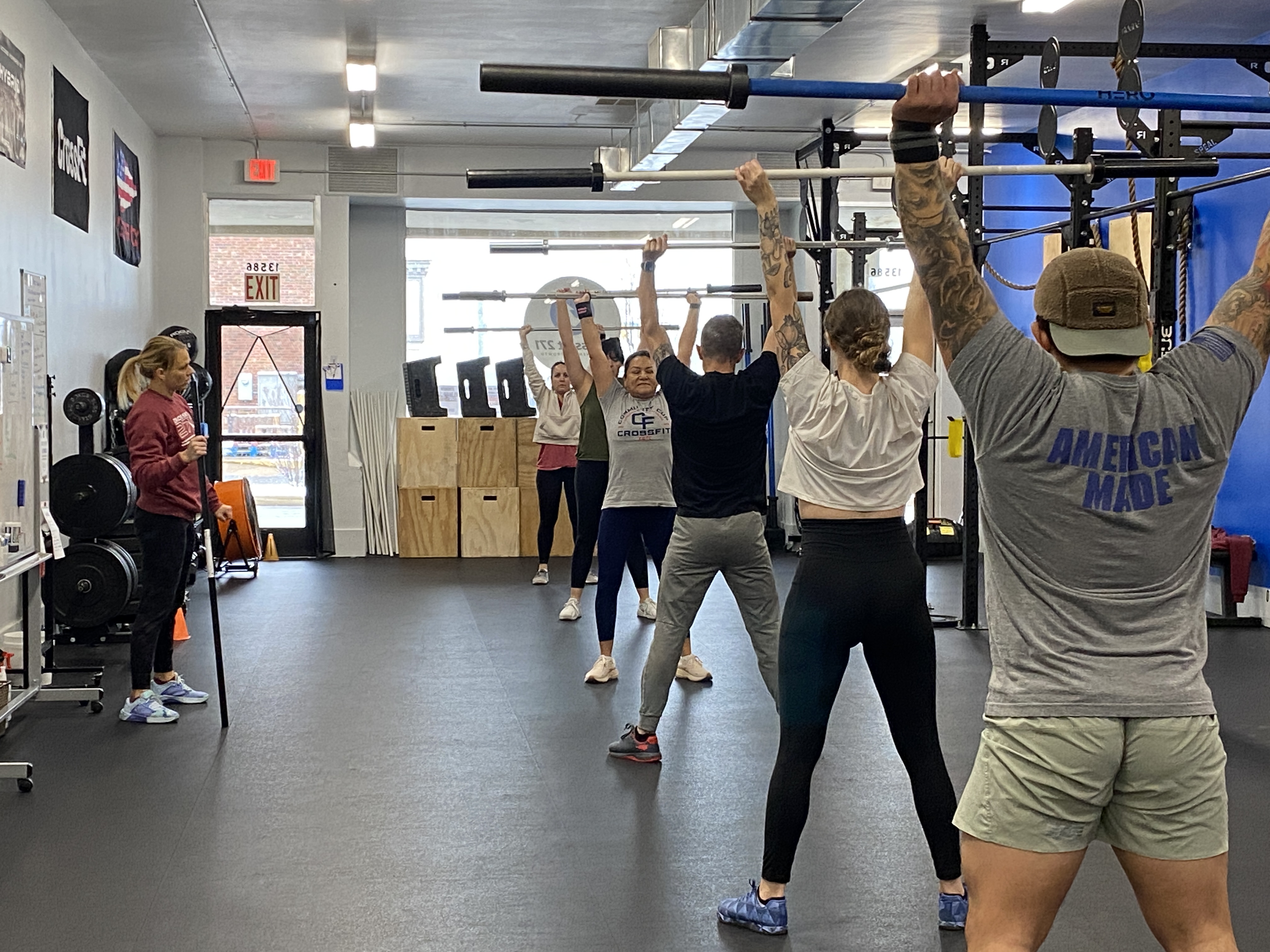
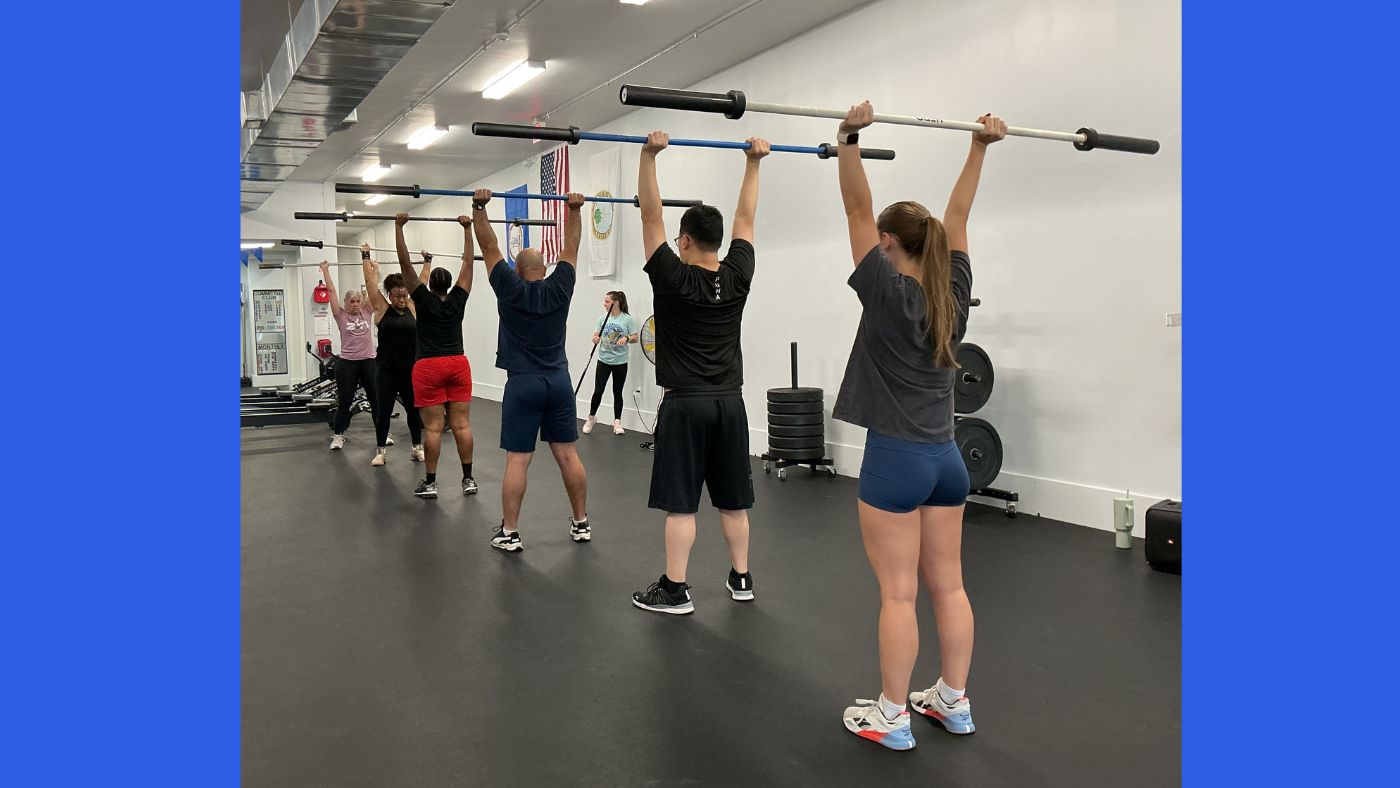
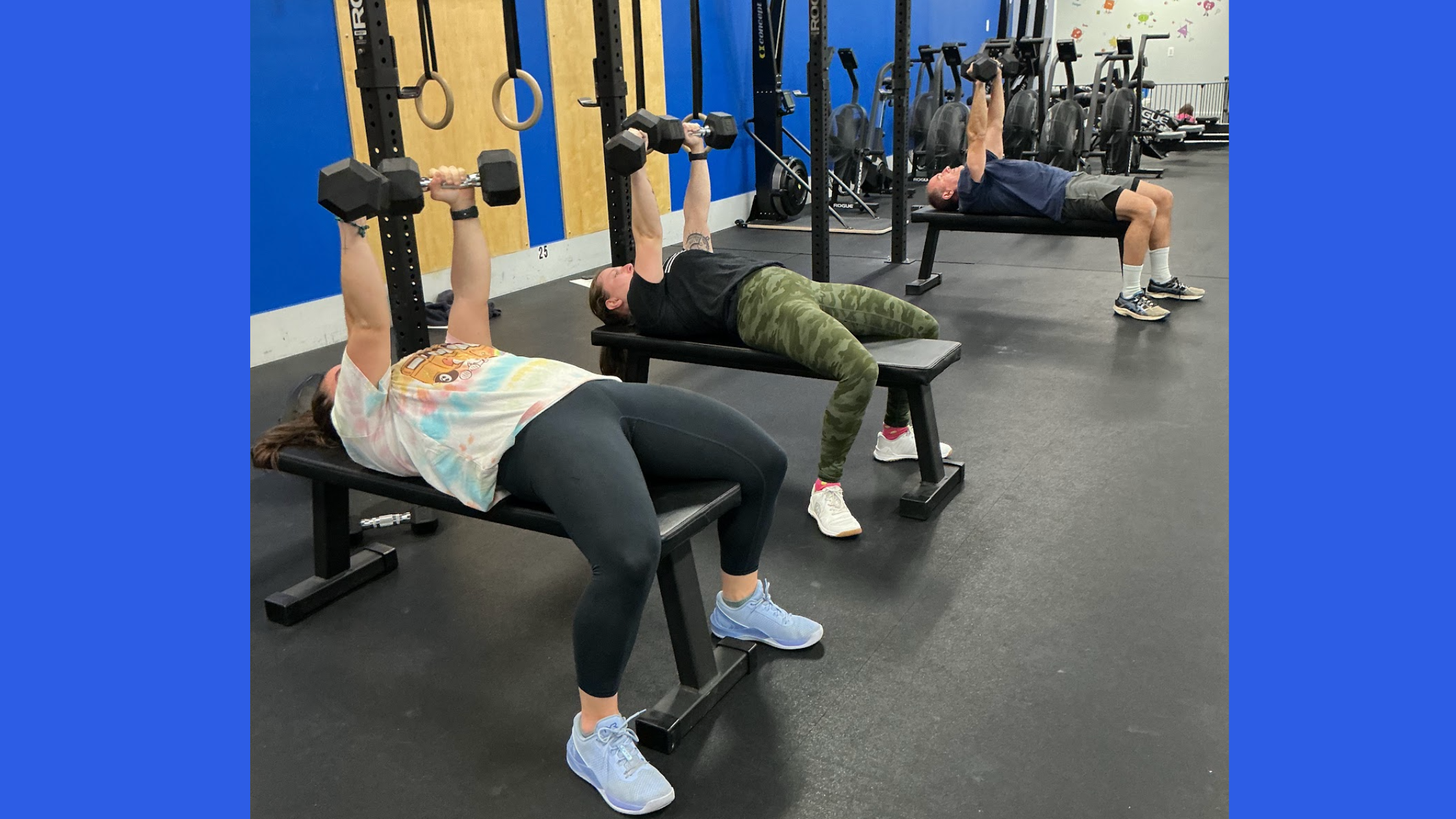
The design of our CrossFit program and the types of exercises we do not only tell your body “keep this muscle”, it screams out “add more!!” By slowly increasing the demands on our body (called “progressive overload”), you will add muscle mass, which supports not only your performance in the gym, but your weight-loss journey and overall health as well.
The Bottom Line
GLP-1 medications can be an incredibly effective tool, but they work best when paired with a structured strength-training program, like the one here at CrossFit 271. Because the goal isn't simply to become lighter, it’s to become stronger, healthier, and more resilient. Because what you keep during weight loss matters just as much as what you lose.
.png)
.png)
.jpeg)